Raptors: Fierce & Feathered Dinosaurs Gallery Trail


- Catégorie
- Gallery Activity
- Durée
-
1 hour +
- Public
- Educators, Students
- Âge
-
8+
- Classe
- 4-12
- Sujets
- General, Science, Science & Technology
Exhibition Info

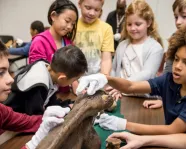
Raptor dinosaurs have long captured our imagination, but there’s so much more to these incredible fossil animals than their fame and popularity; they have fundamentally reshaped our scientific understanding of dinosaur biology, behaviour, and evolution.
This ROM-original exhibition uses casts, real fossils, hand-on activities, and immersive experiences to bring pre-history to life for your students in a memorable and engaging way. Students will learn about the origin of raptor dinosaurs, how dinosaurs are classified and grouped, how raptor dinosaurs are uniquely adapted to their particular place in the ecosystem, and the clues in their fossils that reveal the connections to modern-day birds.
Use this Gallery Trail with an onsite visit to help structure and record your students’ learning in the exhibition. It is available in multiple formats so that you have the option to customize it to suit your students’ needs.
Downloads
Download this activity as:
Learning Goals
- Compare and contrast raptor dinosaurs to other dinosaurs, including non-raptor dinosaurs and modern-day birds.
- Explain what features are unique to raptor dinosaurs and help to define the group
- Analyze specific adaptations across a variety of species that allowed raptor dinosaurs to survive in their ecosystems
- Explore the diversity of raptor dinosaurs and identify commonalities among different species
- Understand behaviours such as hunting, pack hunting, feeding, problem-solving, and nesting that defined the role of raptor dinosaurs in their ecosystem
- Explain the features modern birds inherited from their dinosaur ancestors, and how those adaptations help their continued survival
Fast Facts
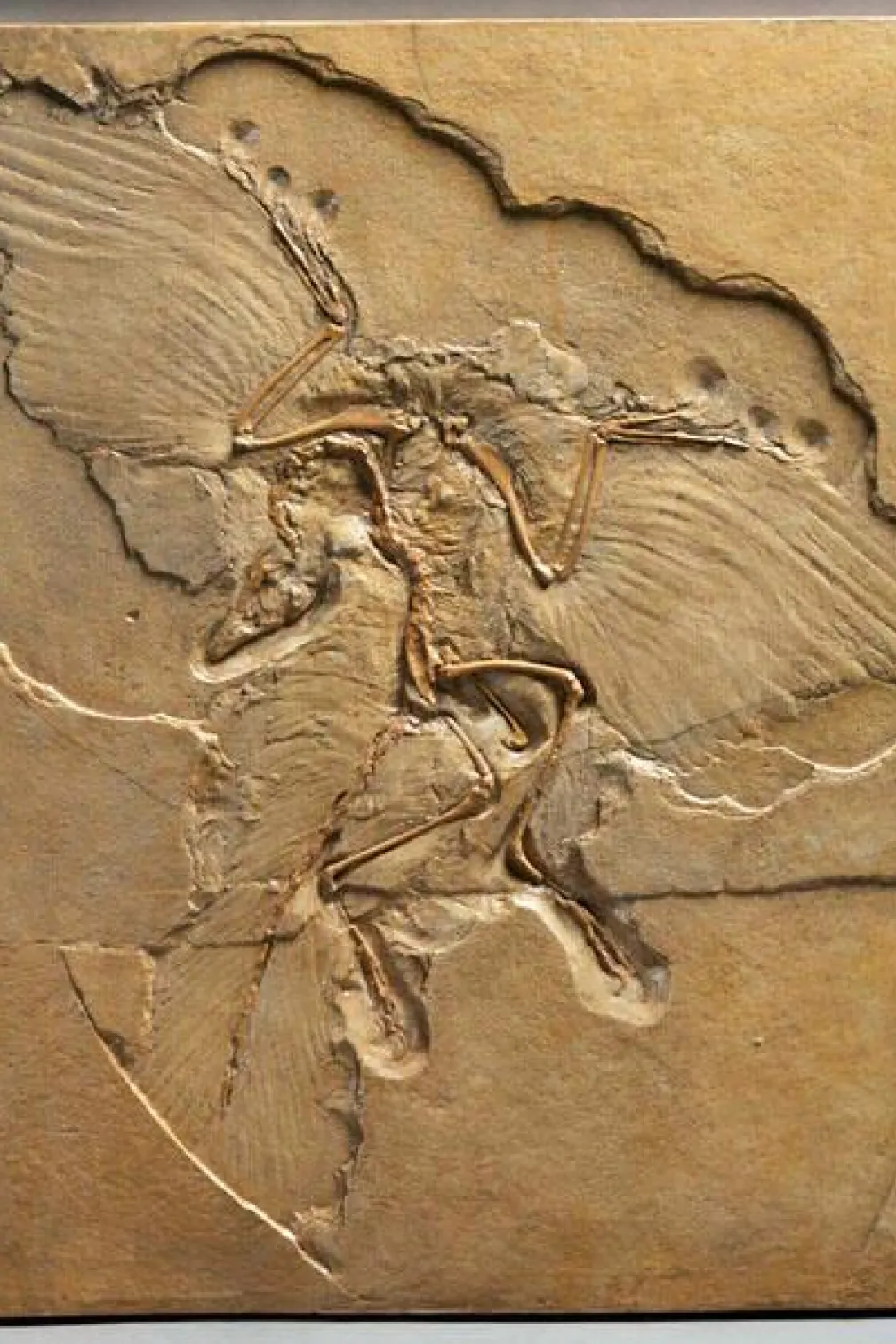
- Fossils aren’t just bones! They preserve evidence of skin, footprints, nests, and even a raptor’s last meal.
- Utahraptor is the largest raptor. At 5-7 m long and up to 500 kg, it’s comparable in size to an Alaskan grizzly bear.
- Most raptor species, including Velociraptor, are actually about the size of a large turkey.
- All raptor dinosaur species share key features: an enlarged “killer claw” on the second toe, and a stiff rod-like tail.
- Raptors were actually covered in feathers, as were most other theropod dinosaurs.
About Gallery Trails

Gallery Trails are designed to be used with an onsite visit or with a virtual exhibition exploration. These choice-focused, student-centric resources help structure and record your students’ learning in the exhibition or gallery. Activities address key themes of each exhibition or gallery while still allowing students while allowing them the freedom to focus on and learn about objects or belongings that are of interest to them.
Gallery Trails can be done individually or in small groups, according to students’ needs and preferred learning styles. They can be done by a broad range of ages and grades, scaling in the responses rather than the questions. Each Gallery Trail also includes extensions to be done back in the classroom, to reinforce and lock in student learning.
They are available in multiple editable formats so that they can also be customized and remixed to meet the needs of your class.
Please Note
If remixing or modifying, please credit “adapted from a resource by ROM.”
Highlights




Curriculum Connections
Language
- Literacy Connections and Applications: Digital Media Literacy
- Foundations of Language: Oral and Non-verbal Communication
The Arts
- Visual Arts: Reflecting, Responding, and Analysing; Exploring Forms and Cultural Contexts
Science
- STEM Skills and Connections: STEM Investigation and Communication Skills
- Life Systems: Habitats and Communities
Language
- Literacy Connections and Applications: Digital Media Literacy
- Foundations of Language: Oral and Non-verbal Communication
The Arts
- Visual Arts: Reflecting, Responding, and Analysing; Exploring Forms and Cultural Contexts
Science
- STEM Skills and Connections: STEM Investigation and Communication Skills
- Life Systems: Biodiversity
Language
- Literacy Connections and Applications: Digital Media Literacy
- Foundations of Language: Oral and Non-verbal Communication
The Arts
- Visual Arts: Reflecting, Responding, and Analysing; Exploring Forms and Cultural Contexts
Science
- STEM Skills and Connections: STEM Investigation and Communication Skills
- Life Systems: Interactions in the Environment
Geography
- Physical Patterns in a Changing World
- Natural Resources Around the World: Use and Sustainability
Language
- Literacy Connections and Applications: Digital Media Literacy
- Foundations of Language: Oral and Non-verbal Communication
The Arts
- Visual Arts: Reflecting, Responding, and Analysing; Exploring Forms and Cultural Contexts
Science
- STEM Skills and Connections: STEM Investigation and Communication Skills
- Earth and Space Systems: Water Systems
Language
- Literacy Connections and Applications: Digital Media Literacy
- Foundations of Language: Oral and Non-verbal Communication
The Arts
- Integrated Arts: Reflecting, Responding, and Analysing
- Visual Arts: Reflecting, Responding, and Analysing; Foundations
Science
- Biology: Sustainable Ecosystems and Climate Change
- Chemistry: Relating Science to Our Changing World
English
- Media Studies
The Arts
- Visual Arts: Reflecting, Responding, and Analysing; Foundations
- Media Arts: Reflecting, Responding, and Analysing; Foundations
Science
- Earth and Space Science: Climate Change
English
- Media Studies
The Arts
- Visual Arts: Reflecting, Responding, and Analysing; Foundations
- Media Arts: Reflecting, Responding, and Analysing; Foundations
Media Studies
- Media and Society
- The Media Industry
Environmental Science
- Scientific Solutions to Contemporary Environmental Challenges
- Human Health and the Environment
- Sustainable Agriculture and Forestry
- Human Impact on the Environment
Science
- Biology: Diversity of Living Things
Geography
- Regional Geography: Natural and Human Systems
English
- Media Studies
The Arts
- Visual Arts: Reflecting, Responding, and Analysing; Foundations
- Media Arts: Reflecting, Responding, and Analysing; Foundations
Geography
- The Environment and Resource Management
- Living in a Sustainable World

Activités connexes