Raptors: Fierce & Feathered Dinosaurs Self-Guided School Visit


- Category
- Self-Guided Visits
- Audience
- Educators, Schools
- Age
-
5+
- Grades
- 1-12, Kindergarten, Pre-School
- Subjects
- General, Science, Science & Technology
About
Explore the connections between raptors and modern-day birds with your students at your own pace.

December 19, 2026 – September 6, 2027
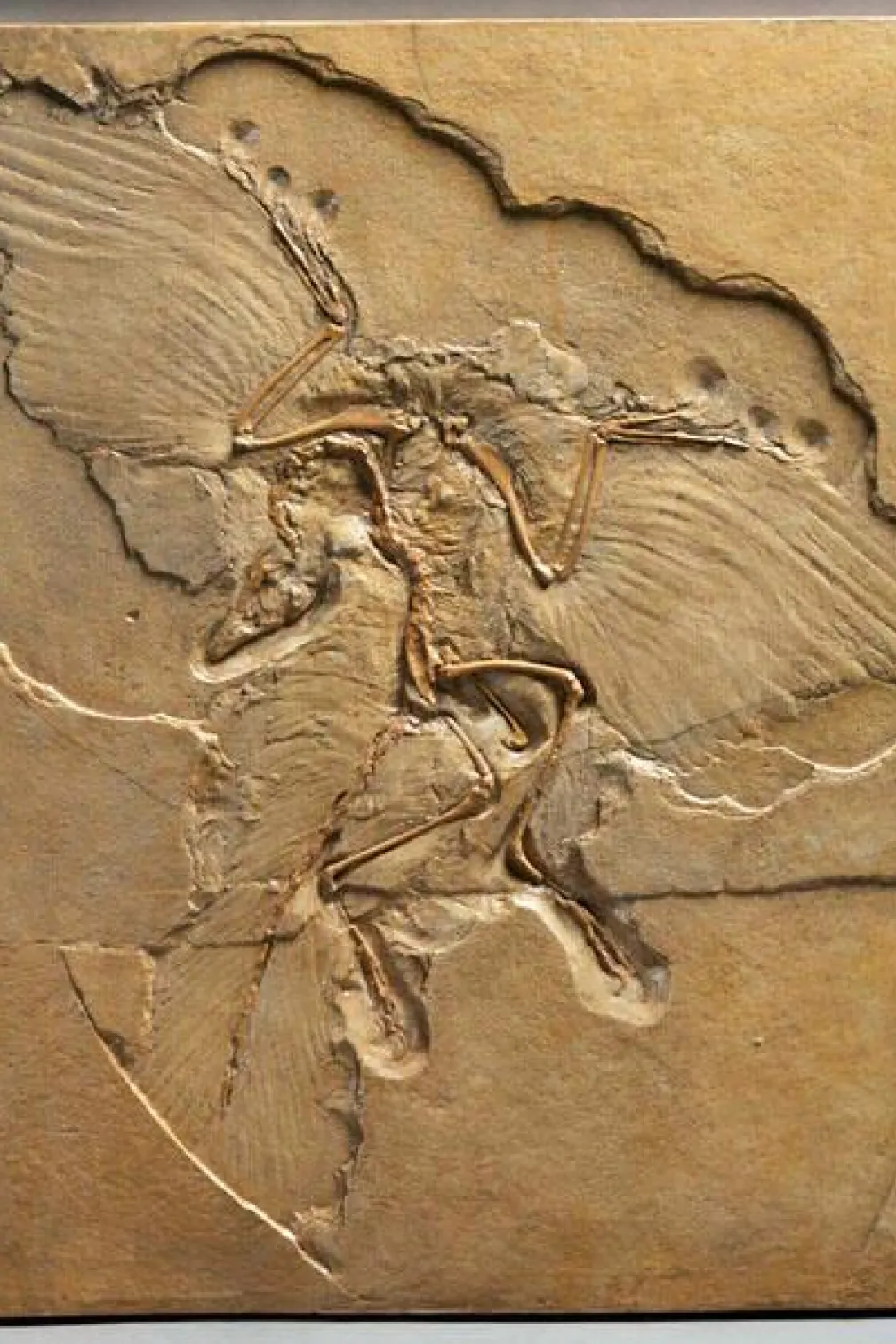
Raptor dinosaurs have long captured our imagination, but there’s so much more to these incredible fossil animals than their fame and popularity; they have fundamentally reshaped our scientific understanding of dinosaur biology, behaviour, and evolution.
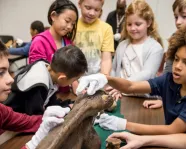
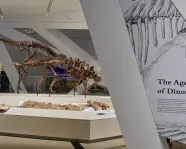
This ROM-original exhibition uses casts, real fossils, hand-on activities, and immersive experiences to bring pre-history to life for your students in a memorable and engaging way. Students will learn about the origin of raptor dinosaurs, how dinosaurs are classified and grouped, how raptor dinosaurs are uniquely adapted to their particular place in the ecosystem, and the clues in their fossils that reveal the connections to modern-day birds.
Self-guided visits allow students and teachers to take the lead in their learning as they explore the galleries at ROM independently at their own pace. Pair this self-guided experience with the Raptors: Fierce & Feathered Dinosaurs Gallery Trail to deepen your students’ understanding of the key learning topics in the exhibition and record their learning as they go. You may also wish to pair this self-guided visit with a Dinosaurs and Ancient Life guided lesson.
| Format | Self-Guided Visit |
| Pricing | $9.50 general admission Free for First Nations, Inuit, and Métis students |
| Minimum Group | 15 |
| Maximum Group | 100 |
To book this and any other special exhibition:
- Click on the “book now” button.
- Self-Guided visits will automatically be selected for you
- Select “Raptors: Fierce & Feathered Dinosaurs”
- If you wish to add other special exhibitions, you can select them as well.
- Each exhibition added is an additional $2.50 per student.
- Proceed to checkout.
Sensory Note
This exhibition has an immersive experience that includes flashing lights, dynamic sound, and multimedia effects.
Please speak with ROM staff in the exhibition if you or your students would like to avoid this section.
Learning Goals
Compare and contrast raptor dinosaurs to other dinosaurs, including non-raptor dinosaurs and modern-day birds.
Explain what features are unique to raptor dinosaurs and help to define the group.
Analyze specific adaptations across a variety of species that allowed raptor dinosaurs to survive in their ecosystems.
Explore the diversity of raptor dinosaurs and identify commonalities among different species.
Understand behaviours such as hunting, pack hunting, feeding, problem-solving, and nesting that defined the role of raptor dinosaurs in their ecosystem.
Explain the features modern birds inherited from their dinosaur ancestors, and how those adaptations help their continued survival.
Highlights




Curriculum Connections
Foundations of Language and Mathematics
- Oral and Non-Verbal Communication
Problem Solving and Innovating
- Scientific Investigation and Engineering Design
- Exploring Environments
Self-Regulation and Well-Being
- Social Skills
- Self-Regulation
Belonging and Contributing
- Respect and Care for Nature
- Exploring and Creating Art
Language
- Literacy Connections and Applications: Digital Media Literacy
- Foundations of Language: Oral and Non-verbal Communication
The Arts
- Visual Arts: Reflecting, Responding, and Analysing; Exploring Forms and Cultural Contexts
Science
- STEM Skills and Connections: STEM Investigation and Communication Skills
- Life Systems: Characteristics and Needs of Living things
Language
- Literacy Connections and Applications: Digital Media Literacy
- Foundations of Language: Oral and Non-verbal Communication
The Arts
- Visual Arts: Reflecting, Responding, and Analysing; Exploring Forms and Cultural Contexts
Science
- STEM Skills and Connections: STEM Investigation and Communication Skills
- Life Systems: Growth and Changes in Animals
Language
- Literacy Connections and Applications: Digital Media Literacy
- Foundations of Language: Oral and Non-verbal Communication
The Arts
- Visual Arts: Reflecting, Responding, and Analysing; Exploring Forms and Cultural Contexts
Science
- STEM Skills and Connections: STEM Investigation and Communication Skills
- Life Systems: Habitats and Communities
Language
- Literacy Connections and Applications: Digital Media Literacy
- Foundations of Language: Oral and Non-verbal Communication
The Arts
- Visual Arts: Reflecting, Responding, and Analysing; Exploring Forms and Cultural Contexts
Science
- STEM Skills and Connections: STEM Investigation and Communication Skills
- Life Systems: Biodiversity
Language
- Literacy Connections and Applications: Digital Media Literacy
- Foundations of Language: Oral and Non-verbal Communication
The Arts
- Visual Arts: Reflecting, Responding, and Analysing; Exploring Forms and Cultural Contexts
Science
- STEM Skills and Connections: STEM Investigation and Communication Skills
- Life Systems: Interactions in the Environment
Geography
- Physical Patterns in a Changing World
- Natural Resources Around the World: Use and Sustainability
Language
- Literacy Connections and Applications: Digital Media Literacy
- Foundations of Language: Oral and Non-verbal Communication
The Arts
- Visual Arts: Reflecting, Responding, and Analysing; Exploring Forms and Cultural Contexts
Science
- STEM Skills and Connections: STEM Investigation and Communication Skills
- Earth and Space Systems: Water Systems
Language
- Literacy Connections and Applications: Digital Media Literacy
- Foundations of Language: Oral and Non-verbal Communication
The Arts
- Integrated Arts: Reflecting, Responding, and Analysing
- Visual Arts: Reflecting, Responding, and Analysing; Foundations
Science
- Biology: Sustainable Ecosystems and Climate Change
- Chemistry: Relating Science to Our Changing World
Geography
- Physical Geography and Physical Processes in Canada
English
- Media Studies
The Arts
- Visual Arts: Reflecting, Responding, and Analysing; Foundations
- Media Arts: Reflecting, Responding, and Analysing; Foundations
Science
- Biology: Sustainable Ecosystems and Climate Change
Geography
- Physical Geography and Physical Processes in Canada
English
- Media Studies
The Arts
- Visual Arts: Reflecting, Responding, and Analysing; Foundations
- Media Arts: Reflecting, Responding, and Analysing; Foundations
Media Studies
- Media and Society
- The Media Industry
Environmental Science
- Scientific Solutions to Contemporary Environmental Challenges
- Human Health and the Environment
- Sustainable Agriculture and Forestry
- Human Impact on the Environment
Science
- Biology: Diversity of Living Things
Geography
- Natural and Human Systems
English
- Media Studies
The Arts
- Visual Arts: Reflecting, Responding, and Analysing; Foundations
- Media Arts: Reflecting, Responding, and Analysing; Foundations
Geography
- The Environment and Resource Management
- Living in a Sustainable World
Related exhibitions

Related activities