National Day of Awareness for MMIW+ - May Learn & Explore Lesson


Category
Duration
Audience
Age
Grades
Subjects
About this lesson
A thoughtful session that allows students to reflect on the impact of their own roles in creating a safer and more respectful world for Indigenous Peoples.
Tuesday, May 5, 2026 at 11:00 AM
Grade 9-12
On May 5, the National Day of Awareness for Missing and Murdered Indigenous Women, Girls, and 2SLGBTQQIA+ Peoples (MMIW+) provides an important opportunity to reflect on the ongoing crisis and the lives of those affected. At ROM, we recognize the significance of this day to raise awareness, honour the memory of the lost, and acknowledge the resilience and strength of Indigenous communities. We will gather in the Eaton Theatre (Level 1B) on May 6 to reflect on this day.
Taught by an Indigenous Museum Educator, students will gain insight into the historical and contemporary injustices faced by Indigenous women, girls, and 2SLGBTQQIA+ peoples. Educators will guide discussions on the social, cultural, and systemic factors contributing to the MMIW+ crisis, while offering a platform for Indigenous voices and perspectives to be heard.
Participants will also engage in a respectful exploration of the cultural practices, traditions, and ceremonies that support healing, resilience, and community building. Students will have the opportunity to reflect on their own roles in creating a safer and more respectful world for Indigenous peoples, especially for those who continue to face violence and discrimination.
This day is an invitation to honour the lives of missing and murdered individuals, listen to stories of strength and survival, and learn how we can all contribute to the collective work of healing and justice. We encourage educators to bring their students to this vital and reflective day of learning, empowering them to stand in solidarity and support efforts toward awareness, justice, and meaningful change.
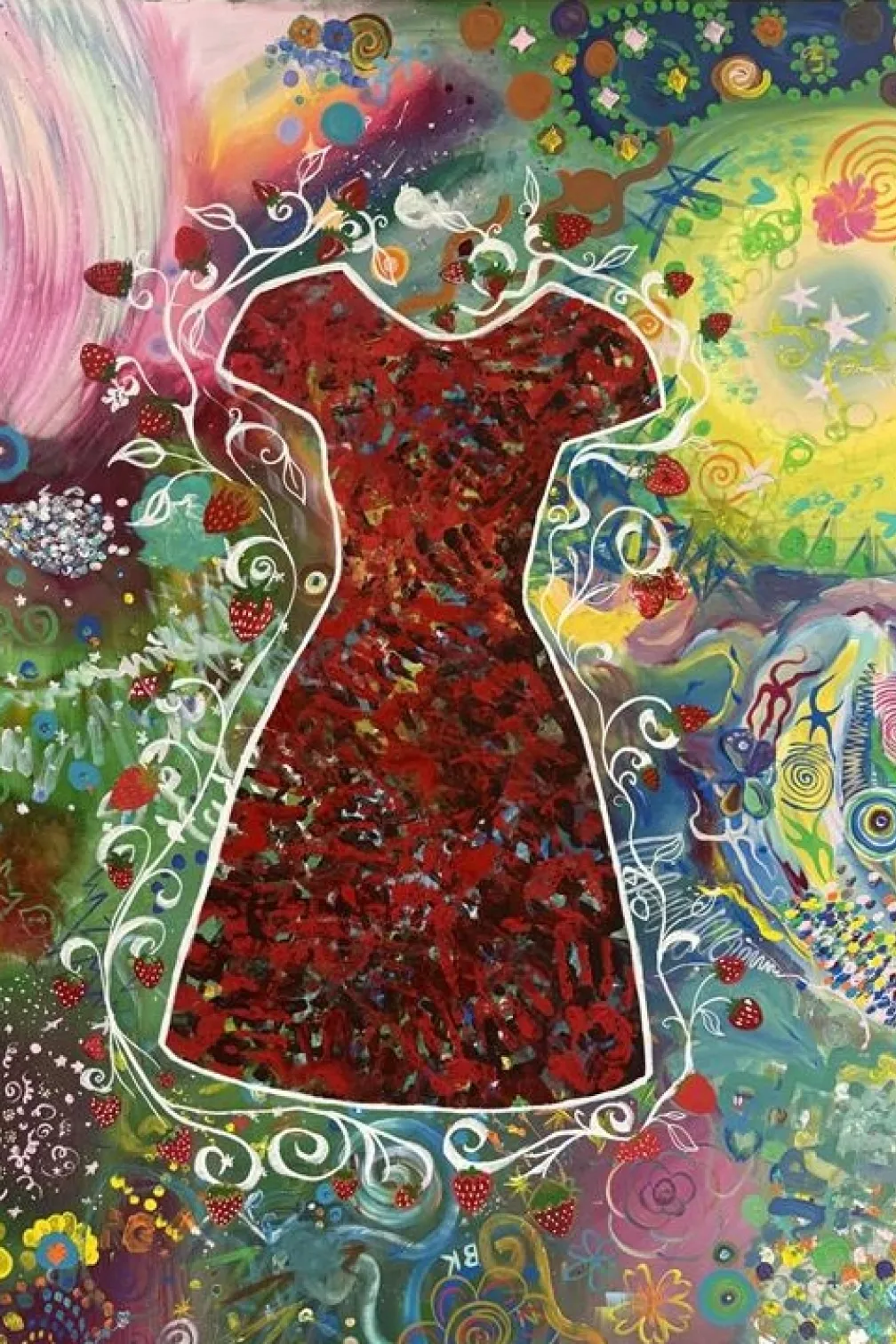
The theatre session is accompanied by an activation in the Daphne Cockwell Gallery dedicated to First Peoples Art & Culture that will run from 10:00 AM to 3:00 PM. Students will be invited to contribute to a hands-on activity by answering a prompt on red fabric and adding it to a collective art piece. Throughout the day, students and visitors can revisit to see how the piece has evolved and to ask questions, examine activations, and consider the day's learnings. Indigenous Museum Educators will be in the gallery to answer questions and share information on touchable belongings.
Use the Learn & Explore Gallery Trail to help your students connect this lesson to their exploration of the galleries at ROM.
| Delivery Language | This lesson is offered in English only. |
| Activities |
|
| Format | Theatre Lesson |
| Duration | 1 hour |
| Pricing | $16/person |
| Minimum Group | 15 |
| Maximum Group | 35 |
Learning Goals
Recognize the significance of May 5 as the National Day of Awareness for MMIW+, and understand the importance of remembering and honouring those who have been lost or affected.
Identify historical and ongoing systems of oppression that contribute to the disproportionate rates of violence experienced by Indigenous women, girls, and 2SLGBTQQIA+ peoples.
Listen respectfully to Indigenous voices, lived experiences, and perspectives related to the MMIW+ crisis.
Develop an understanding of cultural teachings, ceremonies, and practices that foster healing, strength, and resilience in Indigenous communities.
Critically reflect on one’s own roles and responsibilities in challenging systemic injustices and supporting equity, safety, and justice for Indigenous Peoples.
Engage in thoughtful discussion and personal reflection about allyship, solidarity, and meaningful actions that contribute to reconciliation and social change.
Recognize the strength and resilience of Indigenous communities, and the leadership of families, advocates, and grassroots movements in seeking justice.
Gallery Trail
Help your students connect this lesson to their exploration of the galleries at ROM.
Download this activity as:
Curriculum Connections
English
- Literacy Connections and Applications – Digital Media Literacy; Application, Connections, and Contributions
First Nations, Métis, and Inuit Studies: Expressions of First Nations, Métis, and Inuit Cultures
- Artistic Expression and First Nations, Métis, and Inuit World Views
- Foundations
- Art and Society
English
- Oral Communication
- Media Studies
First Nations, Métis, and Inuit Studies: First Nations, Métis, and Inuit in Canada
- 1969 to the Present: Resilience, Determination, and Reconciliation
Social Sciences and Humanities: Equity, Diversity, and Social Justice
- Foundations
- Equity, Social Justice, and Change
- Promoting Equity and Social Justice
Canadian and World Studies
- Civics and Citizenship
English
- Oral Communication
- Media Studies
First Nations, Métis, and Inuit Studies: Contemporary First Nations, Métis, and Inuit Issues and Perspectives
- Political Inquiry and Skill Development
- Cultural Identity and Cultural Continuity
- Community Perspectives
- National and Regional Perspectives
- The Global Context
First Nations, Métis, and Inuit Studies: World Views and Aspirations of First Nations, Métis, and Inuit Communities in Canada
- Understanding and Respecting World Views and Cultural Diversity
- Colonization and Decolonization
- Reclamation and Reconciliation
Social Sciences and Humanities: Equity and Social Justice
- Understanding Social Construction
- Addressing Equity and Social Justice Issues
- Personal and Social Action
Social Sciences and Humanities: Gender Studies
- Foundations
- Gender Issues and Gender-related Policy in Context
- Implementing Change
Canadian and World Studies
- Understanding Canadian Law
English
- Oral Communication
- Media Studies
First Nations, Métis, and Inuit Studies: English: Understanding Contemporary First Nations, Métis, and Inuit Voices
- Oral Communication
- Media Studies
First Nations, Métis, and Inuit Studies: Contemporary Indigenous Issues and Perspectives in a Global Context
- Political Inquiry and Skill Development
- Indigenous Peoples and Perspectives
- Global Trends and Cultural Survival
- Legal, Political, and Social Action
First Nations, Métis, and Inuit Studies: First Nations, Métis, and Inuit Governance in Canada
- The Historical Context
- Support for and Challenges to Indigenous Rights
- Self-determination, Sovereignty, and Self-governance
Social Sciences and Humanities: Challenge and Change in Society
- Social Change
- Social Patterns and Trends
- Global Social Challenges
Social Sciences and Humanities: Equity and Social Justice: From Theory to Practice
- Understanding Social Construction
- Addressing Equity and Social Justice Issues
- Personal and Social Action
Canadian and World Studies
- Canadian and International Law
Highlights