Indigenous Inventions, Innovations, and Creativity


- Category
- Onsite Lessons with Museum Educators
- Duration
-
60 minutes
- Audience
- Educators, Indigenous Learning, Schools
- Age
-
6-14
- Grades
- 1, 2, 3, 4, 5, 6, 7, 8, Kindergarten
- Subjects
- Art & Culture, Canada, Canadian & World Studies, History, Indigenous, Science & Technology, Social Sciences & Humanities, Social Studies, The Arts
About this lesson
A dynamic look at the diverse contributions of Indigenous Peoples highlighting innovation, creativity, and knowledge in areas like art, science, and design.
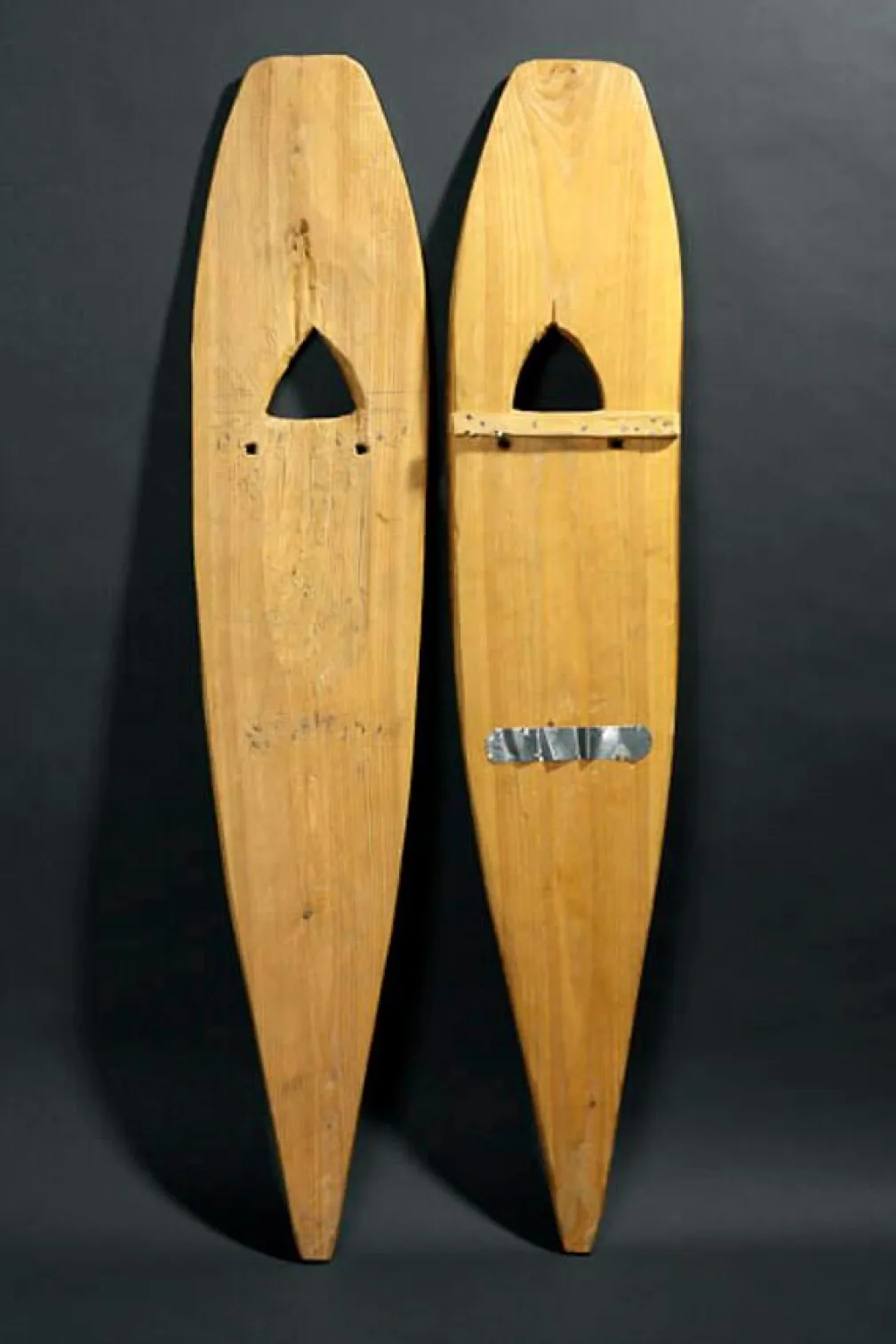
This program explores extraordinary contributions from Indigenous Peoples from all over Turtle Island featured in art, sciences, technology, sport, and more. Through hands-on activities and discussions, students will gain a deeper appreciation for Indigenous cultures and their lasting impact on contemporary society.
| Delivery Language | This lesson is only offered in English. |
|---|---|
| Lesson Times | 10:30 AM, 12:15 PM |
| Activities | Gallery Visit |
| Galleries/Location | First Peoples Art & Culture Possible gallery visits include: |
| Format | Onsite - Gallery Lesson |
| Pricing | $18.50/person (Free for First Nations, Inuit, and Métis students) |
| Minimum Group | 15 |
| Maximum Group | 35 |
Learning Goals
Understanding Indigenous contributions to technology, daily life, and art
Celebrating innovation and creativity from Indigenous communities
Demonstrating how specific contributions have shaped Canadian identity
Learning at ROM

What makes these lessons unique is that they are taught by trained Indigenous Museum Educators with diverse areas of specialization, who develop individual lesson plans around set learning goals.
This allows them the flexibility and adaptability to meet student interests and follow where their curiosity leads, respond to class needs and ever-changing conditions in the dynamic environment of a busy museum, and incorporate the latest teachings, studies, pedagogies, and technologies.
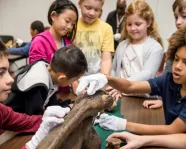
We also understand the value of learning from the real thing whenever possible, not relying exclusively on models and copies. Even in gallery lessons, educators take every opportunity to let your students engage in hands-on learning with something real that has its own history and stories to tell.
These tested approaches to learning mean that you may never get the same lesson twice, but they will always be engaging, interactive, and memorable.
Highlights


Curriculum Connections
Foundations of Language and Mathematics
- Oral and non-verbal communication
Problem Solving and Innovation
- Exploring Environments
Self-Regulation and Well-Being
- Social Skills
- Self-Regulation
- Active Participation
Belonging and Contributing
- Respect and Care for Nature
Science
- STEM Skills and Connections: Applications, Connections, and Contributions
- Life Systems: Characteristics and Needs of Living Things
- Structures and Mechanisms: Everyday Materials, Objects, and Structures
- Earth and Space Systems: Daily and Seasonal Changes
Social Studies
- Heritage and Identity: Our Changing Roles and Responsibilities
- People and Environments: The Local Community
The Arts
- Visual Arts: Exploring Forms and Cultural Contexts
Science
- STEM Skills and Connections: Applications, Connections, and Contributions
- Life Systems: Growth and Changes in Animals
- Structures and Mechanisms: Simple Machines and Movement
- Earth and Space Systems: Air and Water in the Environment
Social Studies
- Heritage and Identity: Changing Family and Community Traditions
- People and Environments: Global Communities
The Arts
- Visual Arts: Exploring Forms and Cultural Contexts
Science
- STEM Skills and Connections: Applications, Connections, and Contributions
- Life Systems: Growth and Changes in Plants
- Matter and Energy: Forces and Motion
- Structures and Mechanisms: Strong and Stable Structures
- Earth and Space Systems: Soils in the Environment
Social Studies
- Heritage and Identity: Communities in Canada, 1780–1850
- People and Environments: Living and Working in Ontario
The Arts
- Visual Arts: Exploring Forms and Cultural Contexts
Science
- STEM Skills and Connections: Applications, Connections, and Contributions
- Life Systems: Habitats and Communities
- Matter and Energy: Light and Sound
- Structures and Mechanisms: Machines and their Mechanisms
- Earth and Space Systems: Rocks, Minerals, and Geological Processes
Social Studies
- Heritage and Identity: Early Societies to 1500 CE
- People and Environments: Political and Physical Regions of Canada
The Arts
- Visual Arts: Exploring Forms and Cultural Contexts
Science
- STEM Skills and Connections: Applications, Connections, and Contributions
- Life Systems: Biodiversity
- Earth and Space Systems: Space
Social Studies
- Heritage and Identity: Communities in Canada, Past and Present
- People and Environments: Canada's Interactions with the Global Community
The Arts
- Visual Arts: Exploring Forms and Cultural Contexts
Science
- STEM Skills and Connections: Applications, Connections, and Contributions
- Life Systems: Interactions in the Environment
- Structures and Mechanisms: Form, Function, and Design of Structures
Geography
- Physical Patterns in a Changing World
- Natural Resources Around the World: Use and Sustainability
The Arts
- Visual Arts: Exploring Forms and Cultural Contexts
Language
- Literacy Connections and Applications
- Foundations of Language
Science
- STEM Skills and Connections: Applications, Connections, and Contributions
- Structures and Mechanisms: Systems in Action
- Earth and Space Systems: Water Systems
Geography
- Global Settlement: Patterns and Sustainability
The Arts
- Visual Arts: Exploring Forms and Cultural Contexts
Language
- Literacy Connections and Applications
- Foundations of Language