Indigenous Perspectives: Wildlife Photographer of the Year


- Category
- Onsite Lessons with Museum Educators
- Duration
-
60 minutes
- Audience
- Educators, Indigenous Learning, Schools
- Age
-
6+
- Grades
- 1-12, Kindergarten
- Subjects
- Art & Culture, Canada, Canadian & World Studies, History, Indigenous, Language, Science & Technology, Social Sciences & Humanities, The Arts
About this lesson
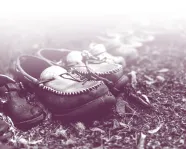
Discover Indigenous perspectives, knowledges, and connections to the lands, waters, plants, and animals through photography, stories, and cultural belongings.
November 7, 2026 – February 28, 2027

Indigenous Peoples have maintained deep relationships with the lands, waters, plants, and animals since time immemorial.
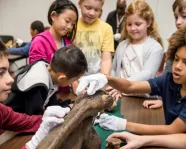
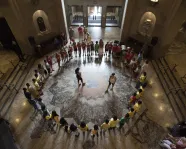
Join an Indigenous Museum Educator as you explore the Wildlife Photographer of the Year 2026 exhibition and the First Peoples Gallery. Through breathtaking photography, Indigenous Knowledges, and cultural belongings, students will learn about the interconnectedness of this special exhibition and First Peoples Gallery.
Please note: this is a limited time opportunity concurrent with the Wildlife Photographer of the Year 2026 special exhibition.
| Delivery Language | This lesson is only offered in English. |
| Lesson Times | 10:30 AM, 12:15 PM |
| Activities |
|
| Galleries/Location |
|
| Format | Gallery Lesson |
| Pricing | $18.50/person (Free for First Nations, Inuit, and Métis students) |
| Minimum Group | 15 |
| Maximum Group | 35 |
Learning Goals
Understand Indigenous ways of being, knowing and doing
Showcase the diversity of Indigenous Nations and the interconnectedness of all living things as reflected in art, languages, and stories
Contemporize Indigenous knowledges and understandings and make them an important part of everyone’s life
Assist students in connecting Indigenous knowledges and perspectives to other spaces that extend beyond the First Peoples Gallery
Learning at ROM

What makes these lessons unique is that they are taught by trained Indigenous Museum Educators with diverse areas of specialization, who develop individual lesson plans around set learning goals.
This allows them the flexibility and adaptability to meet student interests and follow where their curiosity leads, respond to class needs and ever-changing conditions in the dynamic environment of a busy museum, and incorporate the latest teachings, studies, pedagogies, and technologies.
We also understand the value of learning from the real thing whenever possible, not relying exclusively on models and copies. Even in gallery lessons, educators take every opportunity to let your students engage in hands-on learning with something real that has its own history and stories to tell.
These tested approaches to learning mean that you may never get the same lesson twice, but they will always be engaging, interactive, and memorable.
Highlights


Curriculum Connections
Foundations of Language and Mathematics
- Oral and non-verbal communication
Self-Regulation and Well-Being
- Social Skills
- Self-Regulation
- Active Participation
Belonging and Contributing
- Understanding Perspectives and Canadian Identity
- People and Communities
Social Studies
- Heritage and Identity: Our Changing Roles and Responsibilities
- People and Environments: The Local Community
Social Studies
- Heritage and Identity: Changing Family and Community Traditions
- People and Environments: Global Communities
Social Studies
- Heritage and Identity: Communities in Canada, 1780–1850
Social Studies
- Heritage and Identity: Early Societies to 1500 CE
Social Studies
- Heritage and Identity: Interactions of Indigenous Peoples and Europeans prior to 1713, in What Would Eventually Become Canada
Social Studies
- Heritage and Identity: Communities in Canada, Past and Present
History
- New France and British North America, 1713–1800
- Canada, 1800–1850: Conflict and Challenges
History
- Creating Canada, 1850–1890
- Canada, 1890–1914: A Changing Society
First Nations, Métis, and Inuit Studies
- Expressions of First Nations, Métis, and Inuit Cultures
Canadian and World Studies
- Exploring Canadian Geography
First Nations, Métis, and Inuit Studies
- First Nations, Métis, and Inuit in Canada
Canadian and World Studies
- Canadian History Since World War I
First Nations, Métis, and Inuit Studies
- Contemporary First Nations, Métis, and Inuit Issues and Perspectives
- World Views and Aspirations of First Nations, Métis, and Inuit Communities in Canada
Social Sciences and Humanities
- Equity, Diversity, and Social Justice
First Nations, Métis, and Inuit Studies
- Contemporary Indigenous Issues and Perspectives in a Global Context
- First Nations, Métis, and Inuit Governance in Canada
Related exhibitions

Related activities