Bio
Baccalauréat en anthropologie, Grinnell College, États-Unis
Maîtrise (distinction) en anthropologie, Université d’Oxford, Royaume-Uni
Doctorat (Prix de thèse) en études africaines, Institut National des Langues et Civilisations Orientales (INALCO), Paris, France
Sarah Fee (Ph. D.) est entrée au ROM en avril 2009. Elle est responsable de la célèbre collection du musée, qui compte environ 15 000 textiles et articles de mode provenant l’Asie, de l’Afrique et de l’Europe de l’Est.
Elle doit sa profonde appréciation des arts du tissage aux femmes d’Ambondro, à Madagascar, qui l’ont accueillie et qui ont partagé leurs connaissances pendant les années d'étude anthropologique qu'elle y a menée dans les années 1990. Depuis, Sarah a effectué des recherches et publié des ouvrages sur les arts textiles, la mode et le commerce à Madagascar et dans la région de l’océan Indien occidental, qui englobe l’Arabie méridionale, l’Afrique orientale et l’Inde occidentale. Elle s’intéresse également aux échanges cérémoniels, aux techniques de filage et de teinture, ainsi qu'à l’histoire des collections de textiles dans les musées. Ses recherches ont bénéficié du soutien de la Wenner Gren Foundation, du Fonds Pasold et du Conseil de recherches en sciences humaines du Canada (CRSH).
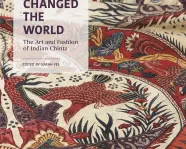
Parmi les principaux projets d’exposition de Sarah au ROM, citons Nées de l’océan Indien : Les soieries de Madagascar (2015), L’étoffe qui a changé le monde : Les cotonnades indiennes (2020) et la prochaine exposition originale du ROM Les routes des moussons de l’océan Indien. Avant de se joindre au ROM, elle a cofondé le musée d’ethnographie tandroy (Berenty, Madagascar) et agi comme commissaire invitée de l’exposition Gifts & Blessings, the Textile Arts of Madagascar (Smithsonian Institution).
Elle est coprésidente du programme de la bourse de recherche sur les textiles de l’Inde IARTS du ROM et de la bourse de recherche Veronika Gervers en histoire des textiles et de la mode.
Madame Fee est nommée conjointement au département d’histoire de l’art de l'Université de Toronto. Elle est chercheuse affiliée au Centre mondial de l’océan Indien de l’Université McGill, Fellow principale du Massey College et membre du comité de rédaction du Textile Museum Journal.
Galeries et expositions
Mode et textiles du monde
Projets de recherche


Publications
- 2025‘Africa’s Active Nodes Along the Silk Roads’, in John Vollmer and Karthika Audinet, eds. Re-Think Silk. George Washington University Textile Museum/Cotsen Traces Collection
- 2023‘Fashion Systems in the Indian Ocean World from Ancient Times to c. 1850’, in Christopher Breward, Beverly Lemire and Giogio Riello, eds. Cambridge Global History of Fashion, volume, 1. Cambridge University Press/Pasold Fund, pp. 630-671.
- 2023‘A Decade of Tableaux and Friendship (2000-2010)’, in Bientôt je vous tisse tout. Mme Zo. Antananarivo: Fondation H.
- 2023‘Changing Global Fashion Forever: Indian chintz and Indo-European entanglements’, in Hamish Bowles, ed., India in Fashion, Rizolli, pp. 97-103
- 2022African Textiles (co-authored with Duncan Clarke, Vanessa Drake Moraga). Paris: Prestel.
- 2022‘Finding Fashion in the Museum: (re-)Assembling a Pre-Colonial Eastern African Fashion Moment’, in JoAnn McGregor et al., eds. Creating African Fashion Histories: Politics, Museums and Sartorial Practice, Bloomington: Indiana University Press.
- 2021‘Mid-Nineteenth Century Weavings from Imerina, Madagascar: A Missionary’s Collection in Dialogue with Contemporaneous Malagasy texts’, Textile Museum Journal, vol. 48, pp. 3-13.
- 2021‘Silk, Cotton, and Raffia Roads: Sub-Saharan Africa and global textile exchanges’, in M.L Nosch and Zhao Feng, eds., Textiles and Clothing Along the Silk Roads, UNESCO/China National Silk Museum.
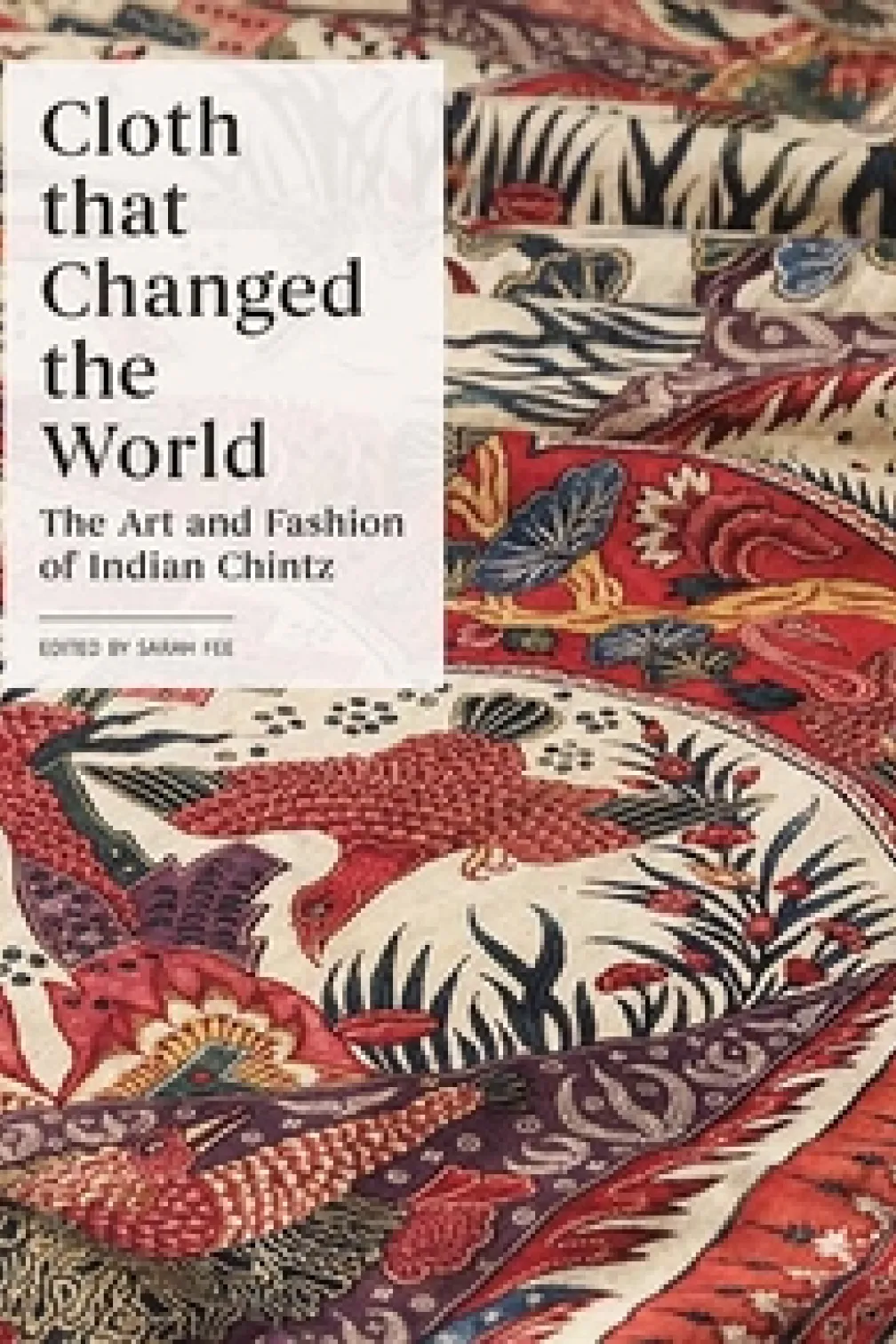
- 2020‘Cotton, Colour and Desire: Indian Chintz,’ in Sarah Fee ed., Cloth That Changed the World: The Art and Fashion of Indian Chintz, ROM Publications & Yale University Press.
- 2020‘The Flowering Family Tree of Indian Chintz, in Sarah Fee ed., Cloth that Changed the World: The Arts, Science and Fashion of Indian Chintz, ROM Publications & Yale University Press.
- 2020‘Cloth that Changed the World’, Hali Magazine, Issue 203.
- 2020‘The King’s New Clothing: Re-Dressing the Body Politic in Madagascar, c. 1815-1861’, in Beverly Lemire and Giorgio Riello, eds., Dressing Global Bodies: The Politics of Fashion in World History, Routledge.
- 2019Filling Hearts With Joy: Handcrafted “Indian textile” Exports to Central Eastern Africa in the Nineteenth Century’, in Edward Alpers and Chhaya Goswami, eds., Trans-regional Trade and Traders: Situating Gujarat in the Indian Ocean from Early Times to c. 1900, Oxford University Press.
- 2019‘Colourful Collecting: “Indian Chintz” at the Royal Ontario Museum’. Textiles Asia, Volume 11, Issue 2, pp. 3-1
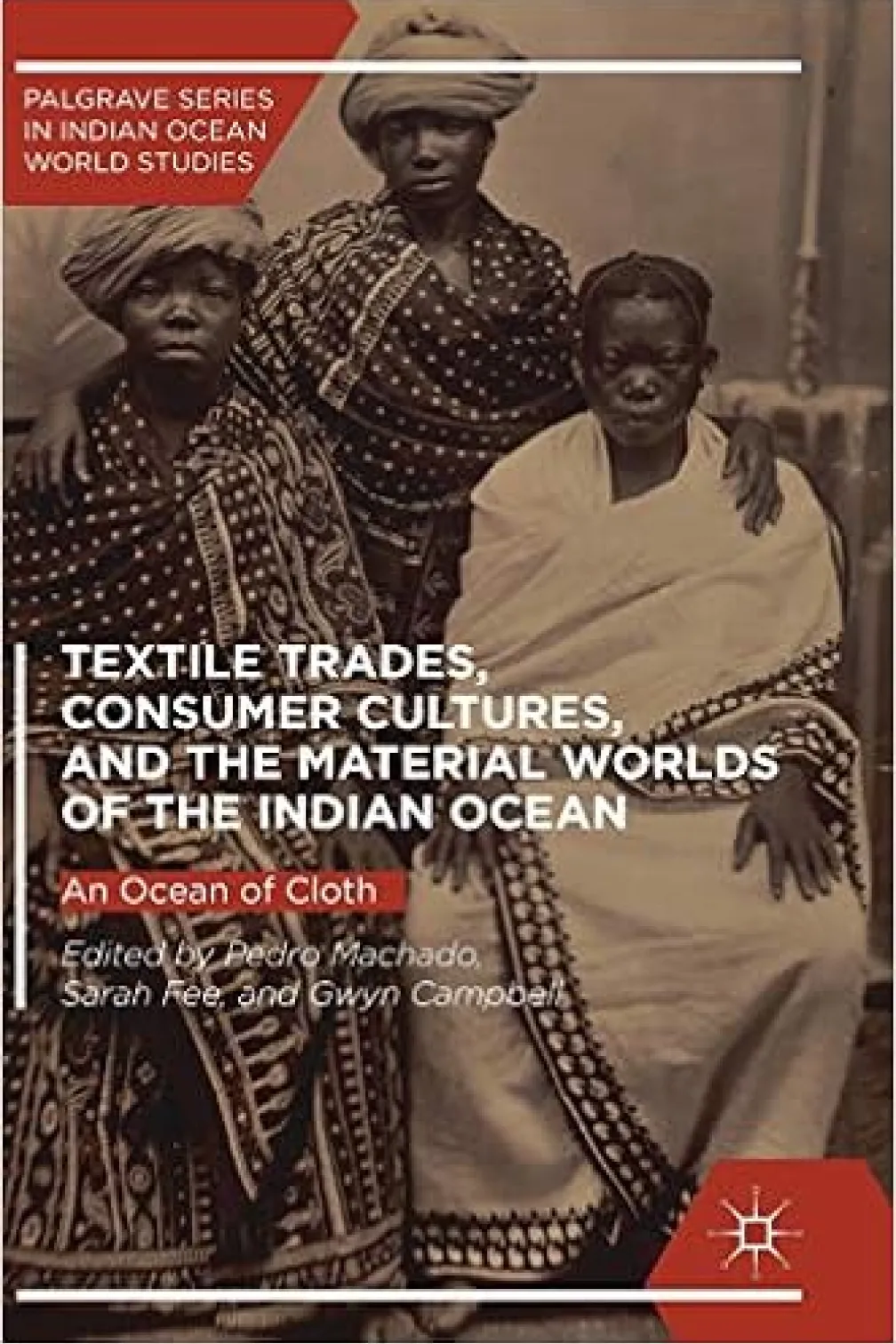
- 2018‘The Dearest Thing on the East African Coast: Muscat cloth in East Central Africa’, in Pedro Machado, Sarah Fee, and Gwyn Campbell eds. An Ocean of Cloth: Textile Trades, Consumer Cultures and the Textile Worlds of the Indian Ocean. Palgrave Macmillan, pp. 209-252.
- 2018« La Parure à Madagascar », dans Madagascar, Arts de la Grande Ile. Aurélien Gaborit, éd. Paris : Actes Sud, p. 182-189.
- 2017‘Entangled Histories: an Introduction to The Trans-Local Textile Trades of Eastern Africa’ (with Pedro Machado), Textile History, 48(1):4-14, a special volume on ‘The Trans-Local Textile Trades of Eastern Africa’.
- 2017‘Cloth with Names”’: Luxury Textile Imports in Eastern Africa, ca. 1800-1885’, Textile History, 48 (1):49-84.
- 2016‘British Scarlet Broadcloth: the Perfect Red in Eastern Africa, c. 1820-1900’, in Jonathan Faiers and Mary Westerman Bulgarellea, eds., Colors in Fashion. London: Bloomsbury, pp. 187-198.2013a ‘Materiality and Fashion.’ In Helen Thomas, Regina Root, Sandy Black, Amy de la Haye, Joanne Entwhistle and Agnes Rocamora, eds. The Fashion Studies Handbook. London: Bloomsbury, pp. 301-324.
- 2015‘Before There Was Pinterest: Textile Study Rooms in North America’. Proceedings of the Textile Society of America 15th Annual Bi-annual Symposium ‘New Directions’. Nebraska Digital Commons.
- 2015‘A Forgotten “Hybrid” Art: the Carved Bed Panels of Nineteenth-Century Imerina’. Tsingy (Revue du Centre d’Histoire de l’Université de la Réunion) 17:67-78 [Noël J. Gueunier second author].
- 2015‘Rug collecting at the Royal Ontario Museum: A tale of fits and starts.’ In Natalia Nekrassova, ed., From Ashgabat to Istanbul: Oriental Rugs from Canadian Collections. Toronto: Textile Museum of Canada, pp. 136-145.
- 2014‘By Design: Imperial Chinese Dress’. Orientations [John Vollmer with Sarah Fee] 45(4):108-116.
- 2013‘Hostage to Cloth: European Explorers in East Africa, 1850-1890.’ Proceedings of the Textile Society of America 13th Bi-annual Symposium, ‘Textiles and Politics’, Washington, D.C., 2012. Nebraska Digital Commons.
- 2013‘The Shape of Fashion: the Historic Silk Brocades (akotifahana) of Highland Madagascar.’ African Arts Autumn, 46(3):26-39.
- 2012‘Historic Handweaving in Highlands Madagascar: New Insights From a Vernacular Text Attributed to a Royal Diviner Healer, c. 1870.’ Textile History 43(1): 62-84.
- 2011‘The Political Economy of an Art Form: the Akotifahana Cloth of Madagascar and Trade Networks in the Southwest Indian Ocean’, in Walter Little and Patricia Macaulney, eds., Textile Economies. Power and Value from the Local to the Transnational. Lanham: Altamira Press, pp. 77-100.
- 2011‘Not For Art’s Sake: An Early Exhibition of Pre-Columbiana at The Toledo Museum of Art, 1928-29.’ Museum Anthropology, Spring 34(1): 13-27.
- 2011‘Futa Benadir: A Somali Tradition Within the Folds of the Western Indian Ocean’, in Susan Cooksey ed., Africa Interweave. Textile Diasporas. Gainseville: University of Florida Harn Art Museum, pp. 120-127.
- 2009‘Recipes From the Past: Highland Textile Dyes in Nineteenth-century Merina sources' (with Bako Rasoarifetra), Etudes Océan Indien, 42-43:143-174.