Wonders of the Night Sky: Space, Stories, and Stars


Catégorie
Durée
Public
Âge
Classe
Sujets
About this Lesson
Explore ties between astronomy and culture, learn how astronomy helps us better know the Earth, and marvel in the wonders of the night sky!
Astronomy is often called the oldest science. Many cultures around the world have had deep connections with the night sky since time immemorial, and those connections continue into the present day.
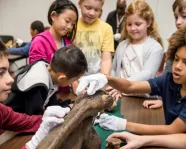
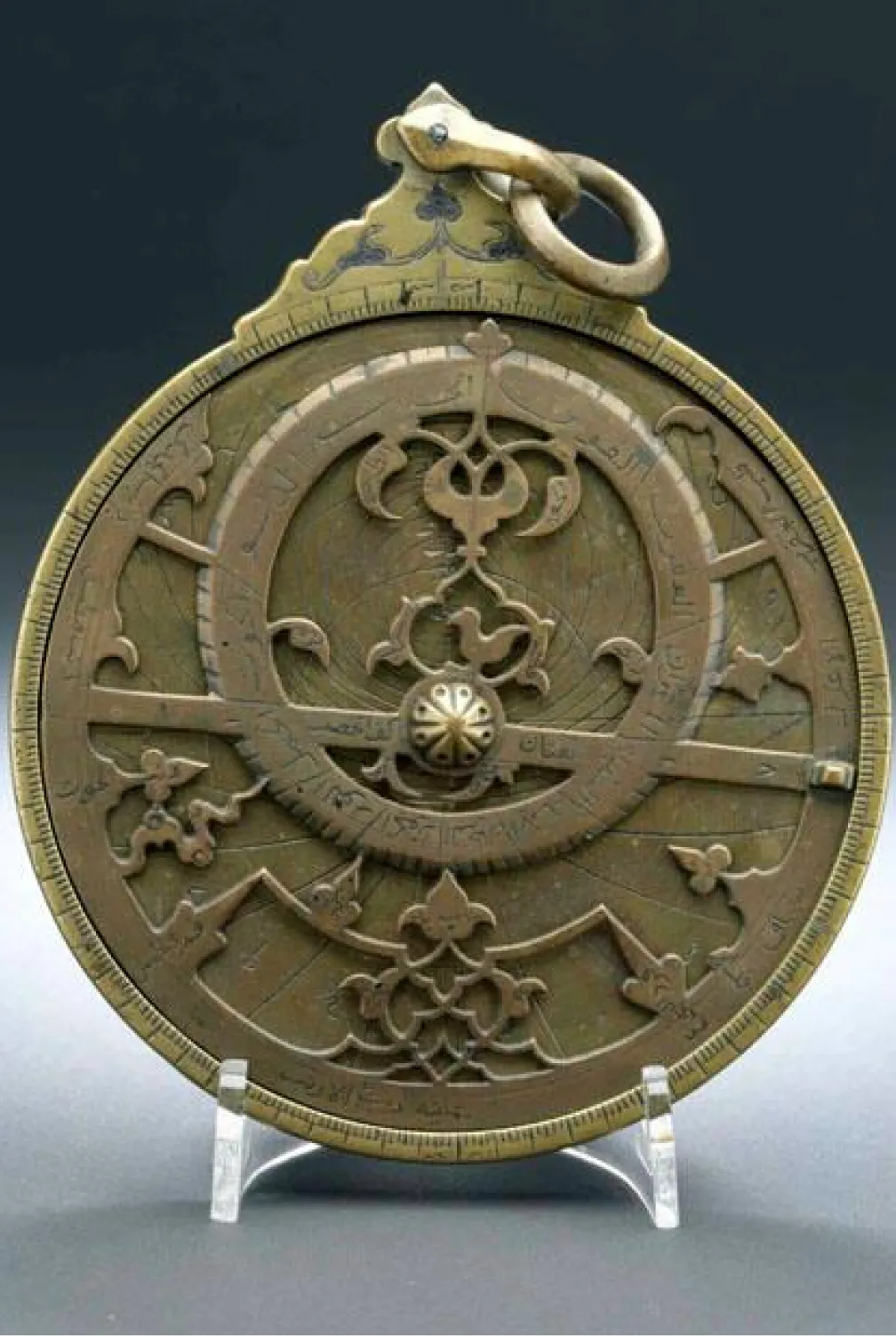
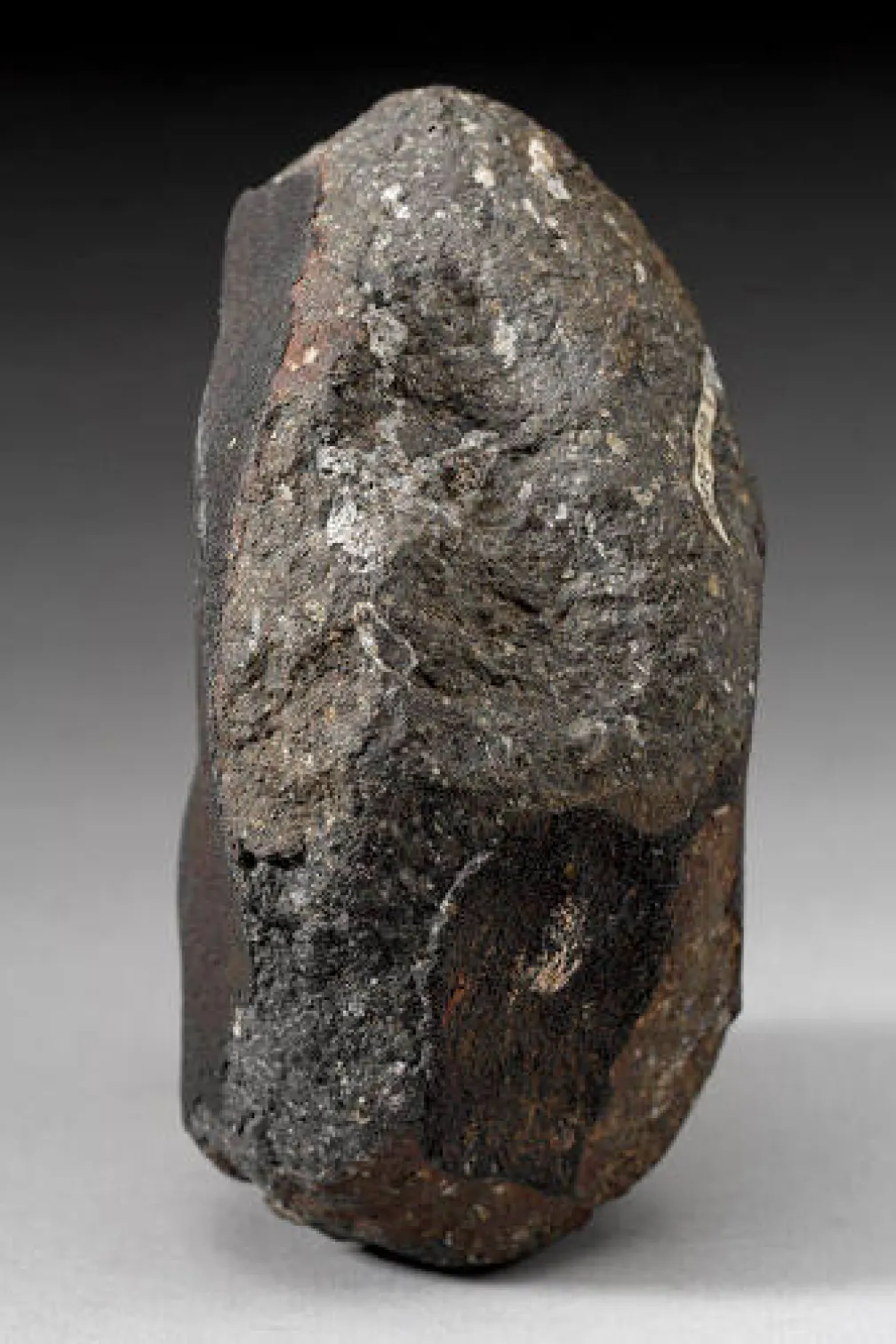
Guided by a Museum Educator, students will discover celestial stories hidden in plain sight in objects from diverse cultures on display in galleries throughout the museum. They will even have a chance to touch real meteorites – some older than the Earth itself!
In the learning lab, cutting-edge planetarium technology allows us to cast projections of the night sky on the ceiling and walls to turn the entire classroom into a vehicle for space exploration. We will explore the cosmos to illuminate space science, understand the solar system, and further understand the enduring connections between space and cultural knowledge from around the world.
Students will learn how modern astronomy helps us know the Earth and its inhabitants better, and marvel at the wonders of the galaxy and what we can observe in the night sky.
| Delivery Language | This lesson is offered in English and French. |
| Activities |
|
| Format | Gallery & Lab Lesson |
| Galleries/Location | Tech, Schad, China, Egypt |
| Duration | 30 min gallery + 30 min lab |
| Pricing | $18.50/person |
| Minimum Group | 15 |
| Maximum Group | 35 |
Learning Goals
Describe the composition of the solar system, including planets, moons, asteroids, comets, gas, dust, and a star.
Examine how technology allows us to observe Earth from space to track changes over time (eg. climate change), but also diminishes our connection to the sky (eg. light pollution).
Describe the deep connections that cultures around the world have to the night sky and celestial bodies.
Learning at ROM
What makes these lessons unique is that they are taught by trained Museum Educators with diverse areas of specialization, who develop individual lesson plans around set learning goals.
This allows them the flexibility and adaptability to meet student interests and follow where their curiosity leads, respond to class needs and ever-changing conditions in the dynamic environment of a busy museum, and incorporate the latest studies, pedagogies, and technologies.
We also understand the value of learning from the real thing whenever possible, not relying exclusively on models and copies. Even in gallery lessons, Educators take every opportunity to let your students engage in hands-on learning with something real that has its own history and stories to tell.
These tested approaches to learning mean that you may never get the same lesson twice, but they will always be engaging, interactive, and memorable.
Highlights





Curriculum Connections
Science
- STEM Skills and Connections – Applications, Connections, and Contributions.
- Earth and Space Systems – Rocks & Minerals
Social Studies
- Heritage and Identity: Early Societies to 1500 CE
Science
- STEM Skills and Connections – Applications, Connections, and Contributions.
Science
- STEM Skills and Connections – Applications, Connections, and Contributions.
- Earth and Space Systems – Space
Science
- STEM Skills and Connections – Applications, Connections, and Contributions.
Science
- STEM Skills and Connections – Applications, Connections, and Contributions.
Science
- STEM Skills and Connections – Applications, Connections, and Contributions.
- Earth and Space Science – Space Exploration
Science
- Earth and Space Science – Climate Change
- Physics - Light
Science
- Environmental Science – Human Impact on the Environment; Natural Resource Science and Management
Science
- Earth and Space Science – Astronomy; Planetary Science
- Physics - Light
Please Note
Note to Teachers: During the hands-on labs, students have the opportunity to interact with many objects, some of which are heavy. If a student lifts and drops an object, it may result in injury to themselves, to others, or to the collections. Please ensure students are following safety instructions and handling objects responsibly.
Activités connexes