Many Japanese works of art serve simultaneously as utilitarian objects. They are meant to be used in everyday life as well as appreciated for their beauty and craftsmanship. This publication explores the way Japanese objects engage with the human sense
Many Japanese works of art serve simultaneously as utilitarian objects. They are meant to be used in everyday life as well as appreciated for their beauty and craftsmanship.
This publication explores the way Japanese objects engage with the human sense of touch to create shokkan – a critical component in the creation, understanding, and circulation of Japanese art. Shokkan is not just about the haptic sensation felt at one’s fingertips, but is a combination of human senses, memory, and language.
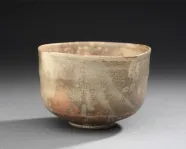
Experiencing the texture of objects is an essential part of appreciating Japanese art, as seen in the tea ceremony or the appreciation of netsuke. The texture of objects holds extreme significance, with close attention given to the surface of objects. As a result, the techniques of decorating the surfaces are highly developed and carefully practiced.
This book builds on the concept of shokkan while providing wider social contexts, detailed exploration of Japanese art objects, and the potential of sensory exhibits in museums. The sense of touch also played an important role in the global circulation of Japanese objects from the mid-19th century. Small objects that can be held in hands, such as netsuke, incense boxes, or tea bowls, as well as printed images that evoked the sense of touch were avidly collected in the West during the japonisme phenomenon.
Such objects form the core of Japanese collections in many Western museums today, and many are highlighted within the publication. The book contributes to new developments in knowledge, research, and scholarship in the field of Japanese art, sensory studies, as well as museum display methods.