Winter Wonders - Virtual Lesson


- Category
- Virtual Lessons with Museum Educators
- Duration
-
45 minutes
- Audience
- Educators, Schools
- Age
-
8-11
- Grades
- 3-5
- Subjects
- Art & Culture, Canada, Canadian & World Studies, Indigenous, Language, Science, Science & Technology, Social Sciences & Humanities, Social Studies
About this lesson
Explore various ways people and animals spend this time of year, including celebrations of light, winter activities, and innovations and adaptations to survive the cold.
Tuesday, December 15, 2026 at 10:00 AM
Grade 3-5

How do different groups of animals and people survive and thrive during the coldest and darkest times of the year?
As we approach the winter solstice, the attentions of many animals and peoples in the northern hemisphere turn to the changing length of the day, surviving the cold, and making it through the rest of the winter.
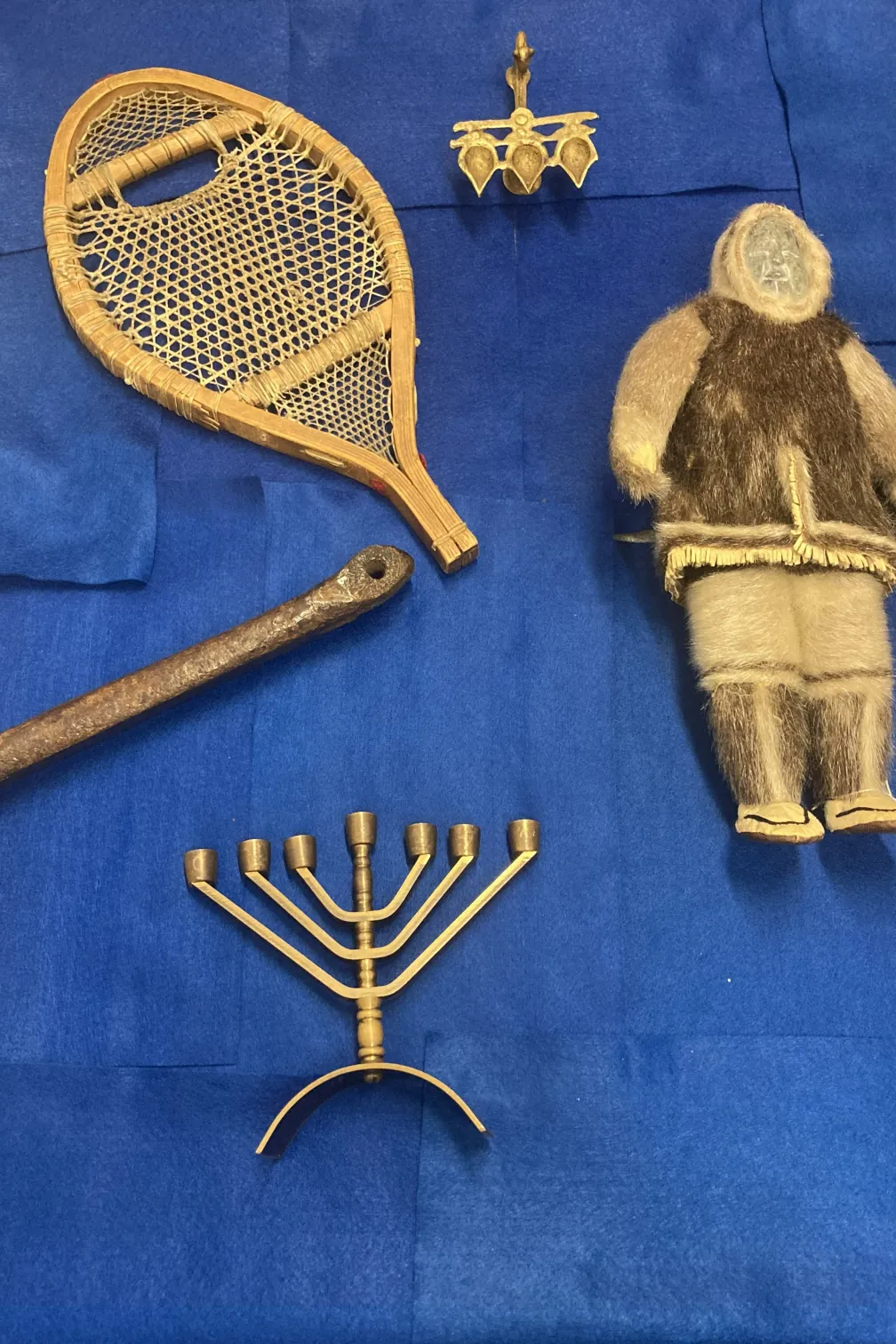
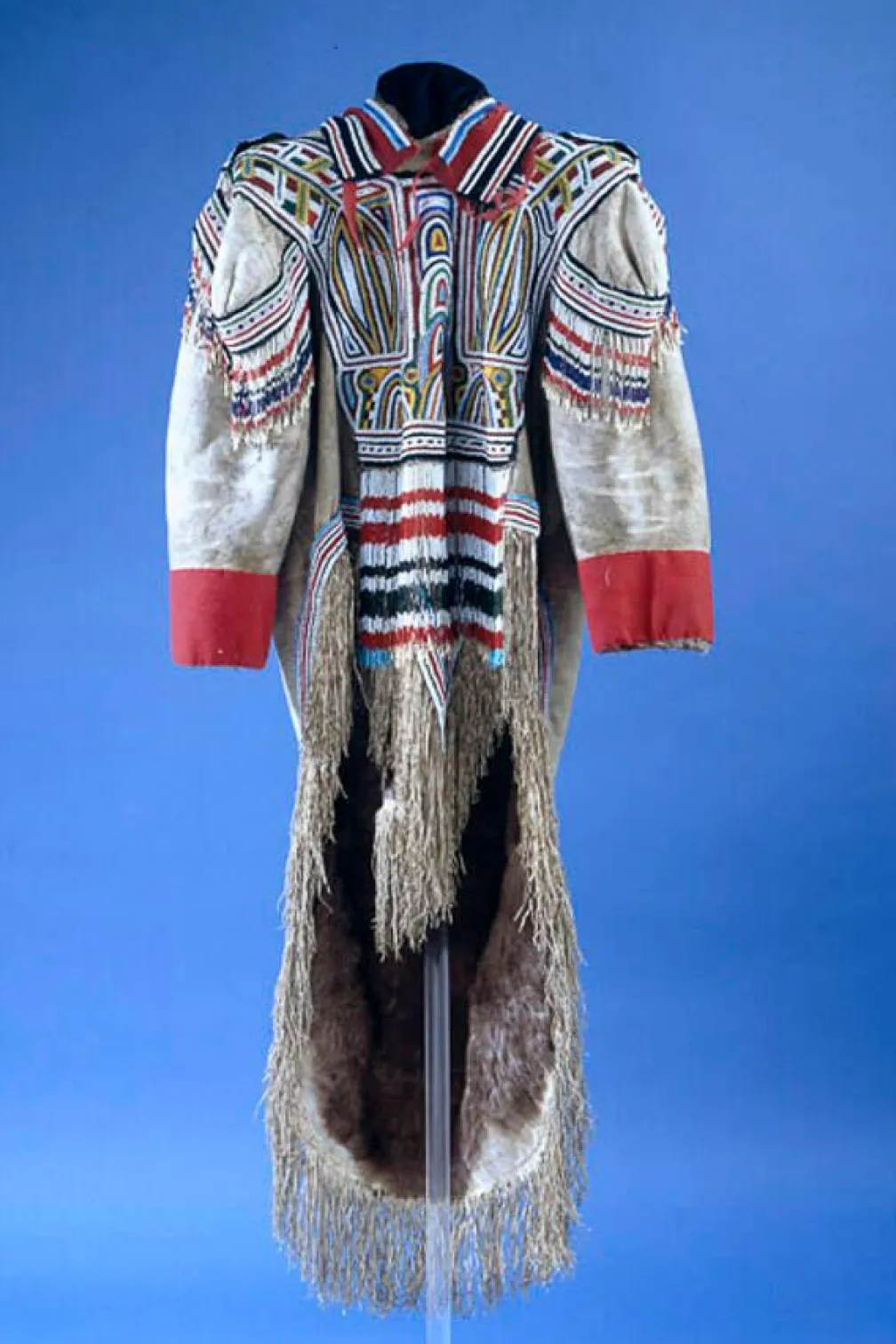
Join us for a virtual exploration of galleries, objects, specimens, and belongings that reveal how various groups of people and animals spend this time of year.
During our interdisciplinary session, we will investigate celebrations of light, winter activities, and innovations and adaptations to survive in the cold.
This lesson will be available on-demand to registered participants up to 24 hours after the live broadcast. Teachers may pause, rewind, and replay the lesson at any time during that period.
| Delivery Language | This lesson is only offered in English |
|---|---|
| Activities |
|
| Format | Virtual Lesson |
| Pricing | Free |
| Duration | 45 minutes |
Learning Goals
Understand that living things have adaptations that help them survive in winter conditions
Compare human celebrations and traditions that take place in the winter to celebrate light
Recognize that seasons are a worldwide reality because of our place in the solar system, but different places, species, and communities are affected differently.
Examine energy transfer through the aurora borealis
Curriculum Connections
Science
- STEM Investigation and Communication Skills – Applications, Connections, and Contributions
- Life Systems – Growth and Changes in Plants
Social Studies
- Heritage and Identity: Communities in Canada, 1780–1850
Science
- STEM Investigation and Communication Skills – Applications, Connections, and Contributions
- Life Systems - Habitats and Communities
- Matter and Energy - Light and Sound
Social Studies
- Heritage and Identity: Early Societies to 1500 CE
Science
- STEM Investigation and Communication Skills – Applications, Connections, and Contributions
- Earth & Space Systems – Conservation of Energy and Resources
Social Studies
- Interactions of Indigenous Peoples and Europeans prior to 1713, in What Would Eventually Become Canada
Highlights




Related activities