Indigenous Perspectives: Throughout ROM - Virtual


- Category
- Virtual Lessons with Museum Educators
- Duration
-
45 minutes
- Audience
- Educators, Indigenous Learning, Schools
- Age
-
6-14
- Grades
- 4-8
- Subjects
- Art & Culture, Canada, Canadian & World Studies, History, Indigenous, Language, Science & Technology, Social Sciences & Humanities, Social Studies, The Arts
About this lesson
Explore the diversity of Indigenous cultures and perspectives throughout various areas of the museum.

There are many distinct Indigenous Nations on the land now known as Canada. Each culture is unique and full of stories, learnings, practices, and traditions.
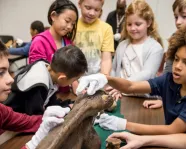
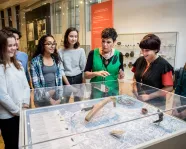
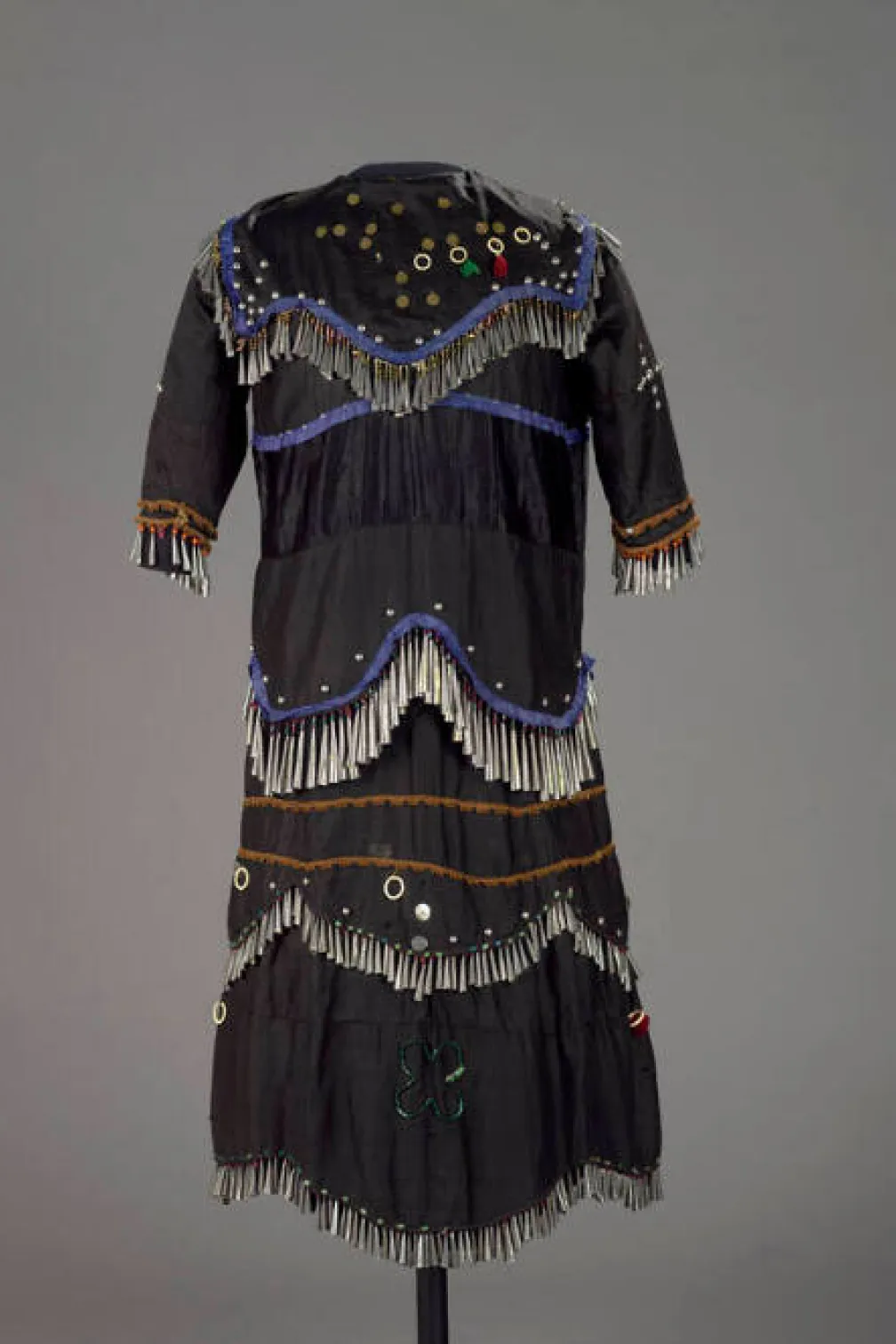
Gain an appreciation of just a few Indigenous Nations and Ancestral, Artistic, and Cultural belongings during this virtual lesson with an Indigenous Museum Educator highlighting Indigenous Knowledges, Art, and Culture at ROM.
This lesson showcases the diversity of First Nations, Metis, and Inuit across what is now known as Canada. Students will come away with a better understanding that Indigenous peoples are not one homogeneous group.
Lessons will explore Ideas of the interconnectedness of all living things as reflected in art, language, and stories. Educators will also raise cultural awareness and deconstruct stereotypes, especially the “vanishing race” stereotype that was the foundation of Indigenous Ancestors, Artistic, and Cultural Belongings held at ROM.
| Delivery Language | This lesson is only offered in English. |
|---|---|
| Format | Virtual Lesson |
| Duration | 45 minutes |
| Pricing | Free |
Available Dates
Treaties Recognition Week: Honouring Agreements
Indigenous Virtual Lessons are free and open to grades K-12. Content and language are geared towards grades 4-8.
Join Lead Indigenous Museum Educator Kristy Inglese for a virtual lesson exploring the treaties connected to the land on which ROM stands. Students will learn what treaties are, why they are important, and how they continue to shape relationships between Indigenous and non-Indigenous Peoples.
Through Indigenous perspectives, this lesson will examine the significance of treaties as agreements rooted in relationships, responsibilities, and mutual respect. Students will also consider ways to honour treaties in their everyday lives and reflect on their own roles and responsibilities in building respectful relationships with Indigenous Peoples.
Kristy is Mushkego Cree from Moose Factory First Nation and has grown up in Tkaronto, the Dish with One Spoon treaty territory.
Celebrating Inuit Innovations and Creativity with the Urban Inuit Identity Project, With Special Guest Artist Muckpaloo Ipeelie
Indigenous Virtual Lessons are free and open to grades K-12. Content and language are geared towards grades 4-8.
There are many distinct Indigenous Nations across what is now known as Canada, each with their own teachings, practices, languages, histories, and traditions.
Join Indigenous Learning and Programs for a virtual learning experience with special guest, Muckpaloo Ipeelie, that centre Indigenous perspectives and explore the artistic and cultural belongings held at ROM. Through the knowledge, experiences, and perspectives of Indigenous educators, students will learn about the diversity of First Nations, Métis, and Inuit Peoples and develop a deeper understanding that Indigenous Peoples are not one homogeneous group, but distinct Nations with their own identities, worldviews, and ways of knowing
Muckpaloo Ipeelie is an Inuit cultural carrier, artist and leader, born in Iqaluit and living in Ontario. She is the founder and CEO of the Urban Inuit Identity Project, and the Director, Producer and Writer of the film "Voices: Lighting a Pathway to Indigenous Inclusion." At the Urban Inuit Identity Project, Muckpaloo provides Inuit specific programming and cultural resources, such as cultural competency training, drum-dance workshops, and consultation.
TBD - Check back in December for more details!
TBD - Check back at a later time for more details!
TBD - Check back at a later time for more details!
TBD - Check back at a later time for more details!
TBD - Check back at a later time for more details!
TBD - Check back at a later time for more details!
Learning Goals
Deepen understanding of Indigenous ways of being, knowing, and doing
Showcase the diversity of First Nations, Metis, and Inuit across what is now known as Canada
Connect with Indigenous Museum Educators, belongings, and lived experiences
Discuss ideas of interconnectedness as reflected in art, language, and stories
Highlights




Curriculum Connections
Social Studies
- Heritage and Identity: Early Societies to 1500 CE
Social Studies
- Heritage and Identity: Interactions of Indigenous Peoples and Europeans prior to 1713, in What Would Eventually Become Canada
Social Studies
- Heritage and Identity: Communities in Canada, Past and Present
History
- New France and British North America, 1713–1800
- Canada, 1800–1850: Conflict and Challenges
History
- Creating Canada, 1850–1890
- Canada, 1890–1914: A Changing Society