The Science of Minecraft: An International Museum Day Build Challenge – May Monthly Museum Minecraft - Virtual


Category
Duration
Audience
Age
Grades
Subjects
About this lesson
Tour ROM’s first Minecraft world, Rocks and Minerals, with Museum Educators and special guest scientists. Compare the science of Minecraft to real Earth Science and present your findings in your own Minecraft museum.
So how does Minecraft measure up to the real world of Rocks and Minerals?
To celebrate the upcoming International Museum Day (May 18), we’re diving into ROM’s first official Minecraft world, Museum Minecraft: Rocks and Minerals, to find the answer to this pressing question so that we can present the answers in a very special build challenge.
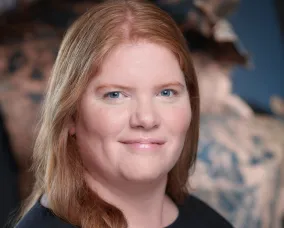
Our special guest this month is Senior Curator and Teck Endowed Chair of Mineralogy, Dr. Kim Tait, who knows everything there is to know about the rocks at ROM.
Together, we’ll explore the variety and diversity of rocks in Minecraft, use some chemistry tricks to break them down to their basic elements, and see just how well Minecraft measures up to real rock specimens that reside at ROM. Then, we’ll share some coding and building tips to help students build their own museums to show off just how much they know about rocks and minerals.
Can’t attend live? No problem! In this special YouTube Live Format, you’ll be able to pause and play the lesson to go at the pace that’s right for your students. If you can't attend live, you can still follow along with the recording through the links you’ll receive when you book.
| Delivery Language | This lesson is offered in English only. |
|---|---|
| Activities |
|
| Format | Virtual Lesson |
| Duration | 1 hour |
| Pricing | Free |
| Minimum Group | n/a |
| Maximum Group | Unlimited |
Available Dates
- May 13, 2026 – 9:30 AM
- After the live lesson airs, classes may register to view the recording.
Learning Goals
Identify characteristics of igneous, sedimentary, and metamorphic rocks.
Compare and contrast the behaviour of Earth Science elements in Minecraft to real-world situations.
Combine coding and engineering design thinking to create a museum to display a narrative about rocks and minerals.
French Classes
While the virtual lesson is only offered in English for now, you can follow this tutorial to translate the game language into French.
Dialogue in this Minecraft World will appear in English if the game settings are switched to French (Canada).
Preparation
Preparation:
- Students should be comfortable with the basics of Minecraft, including movement and the breaking and placing of blocks. Students should also be familiar with using the camera and book & quill to document learning.
- Have students open a browser to joinmyquiz.com just before the session, and enter the join code that will be posted in the pre-show before the lesson begins. This will allow you and your students to communicate with the Museum Educators during the live lesson.
New to Minecraft?
We recommend that students are familiar with the basic Minecraft controls taught in the How to Play tutorials in the Minecraft Lesson Library, particularly:
- How to Play: Movement (Keyboard and Mouse / Touchscreen)
- How to Play: Break and Place (Keyboard and Mouse / Touchscreen)
You can also check out our New to Minecraft section on our Minecraft Program Support site.
Requirements
Class set of devices with Minecraft Education installed.
Minecraft Licenses are not provided by ROM. They must be provided by your school or board, or through the Camps and Clubs program for homeschool or other educators.
Ensure that https://joinmyquiz.com and https://wayground.com/join are accessible from student devices and whitelisted if necessary before the date of your program.
Supporting Materials
Minecraft 101 for Teachers (How to play) – Register to watch the recorded training
Minecraft Programs 2025-26 Info Session – Recorded Webinar
Curriculum Connections
.Mathematics
- Algebra – Coding; Mathematical Modelling
- Social-Emotional Learning (SEL) Skills and the Mathematical Processes
Science
- STEM Skills and Connections – Coding and Emerging Technologies
- Earth and Space Science – Rocks and Minerals
The Arts
- Visual Arts
Language
- Composition: Expressing Ideas and Creating Texts
Mathematics
- Algebra – Coding; Mathematical Modelling
- Social-Emotional Learning (SEL) Skills and the Mathematical Processes
Science
- STEM Skills and Connections – Coding and Emerging Technologies
- Matter and Energy – Properties of and Changes in Matter
- Earth and Space Systems – Conservation of Energy and Resources
The Arts
- Visual Arts
Language
- Composition: Expressing Ideas and Creating Texts
Mathematics
- Algebra – Coding; Mathematical Modelling
- Social-Emotional Learning (SEL) Skills and the Mathematical Processes
Science
- STEM Skills and Connections – Coding and Emerging Technologies
- Matter and Energy – Electrical Phenomena, Energy, and Devices
- Earth and Space Systems - Space
The Arts
- Visual Arts
Language
- Composition: Expressing Ideas and Creating Texts
Mathematics
- Algebra – Coding; Mathematical Modelling
- Social-Emotional Learning (SEL) Skills and the Mathematical Processes
Science
- STEM Skills and Connections – Coding and Emerging Technologies
- Structures and Mechanisms – Form, Function, and Design of Structures
Geography
- Natural Resources Around the World: Use and Sustainability
The Arts
- Visual Arts
Language
- Composition: Expressing Ideas and Creating Texts
Mathematics
- Algebra – Coding; Mathematical Modelling
- Social-Emotional Learning (SEL) Skills and the Mathematical Processes
Science
- STEM Skills and Connections – Coding and Emerging Technologies
The Arts
- Visual Arts
Language
- Composition: Expressing Ideas and Creating Texts
Highlights


Related activities