Swimming Through Ancient Seas: Fossils from the Burgess Shale - Learn & Explore


Category
Duration
Audience
Age
Grades
Subjects
About
Hear stories of travel, study, and the discovery of some of the strangest fossils in Earth’s history in this exclusive theatre Lesson.
Friday, May 22 at 11:00 AM
Grade 4 to 6
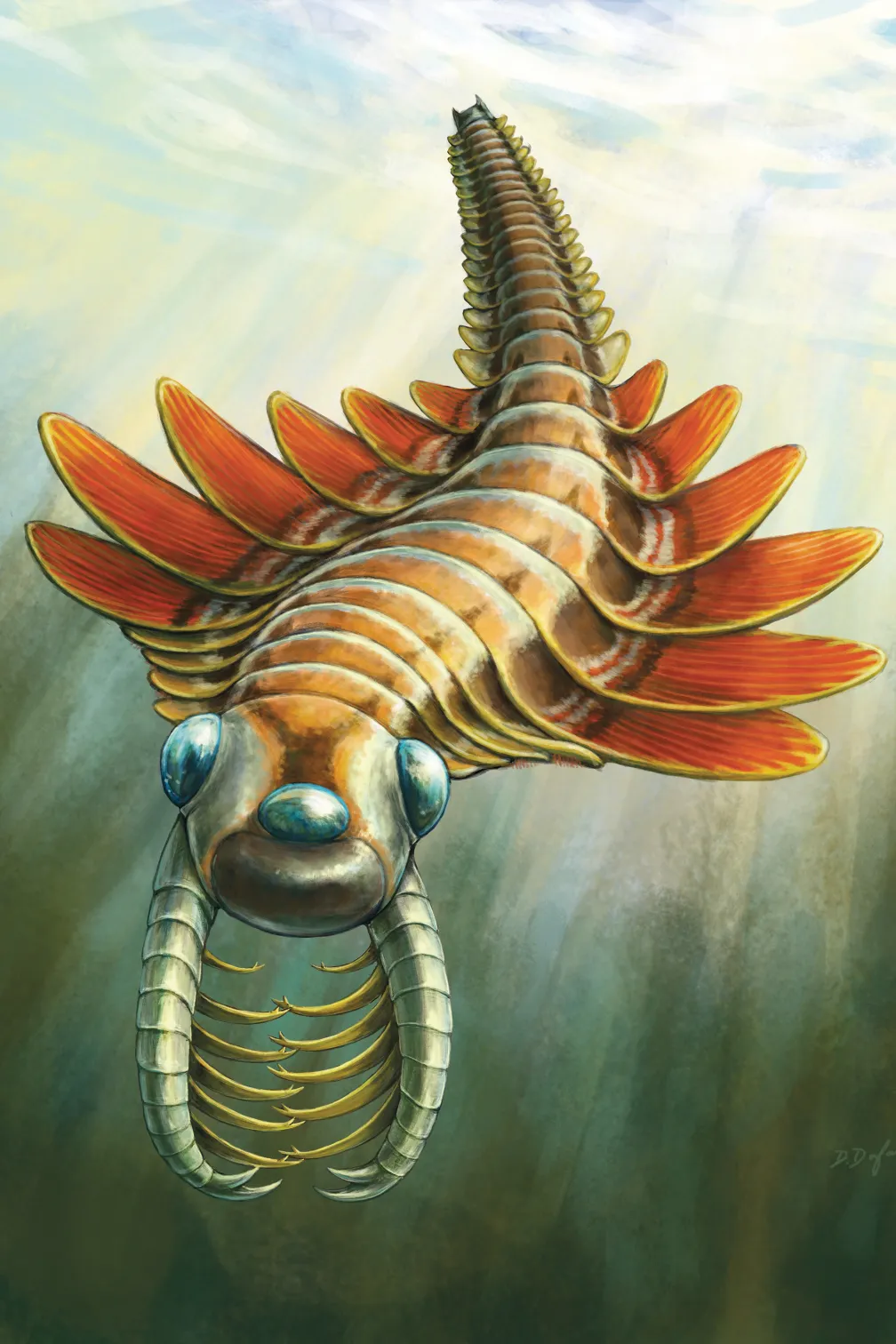
Palaeontologists at ROM have been discovering amazing fossils in the Rocky Mountains for over 50 years. These incredibly detailed fossils give us a view of what life looked like during the Cambrian Explosion 500 million years ago. These strange creatures with interesting features may seem alien, but they actually represent all major animal groups found on Earth today.
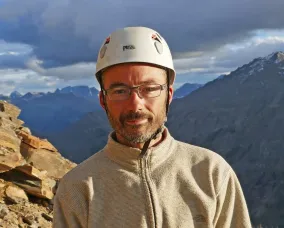
Join Jean-Bernard Caron, ROM Richard M. Ivey Curator of Invertebrate Palaeontology, for stories of travel, study, and discovery in this special session in the Eaton Theatre at ROM. Students will hear about Jean-Bernard’s experiences working in Yoho National Park, see images of the rugged landscape, camp life, and fossils, and learn about the exciting results of ROM research.
Visit the Willner Madge Gallery of the Dawn of Life in your free time to see even more amazing prehistoric life.
Use the Learn & Explore Gallery Trail to help your students connect this lesson when they visit the galleries at ROM
| Delivery Language | This lesson is offered in English only |
|---|---|
| Activities |
|
| Format | Theatre Lesson |
| Duration | 1 hour |
| Pricing | $16/person |
| Minimum Group | 15 |
| Maximum Group | 35 |
Learning Goals
Learn how fossils are uncovered, excavated, transported, catalogued, and prepared for display at a museum.
Understand the incredible diversity of living things represented within fossils from the Burgess Shale.
Understand the connections between the ancient life represented by the Burgess Shale fossils and living things on Earth today.
Gallery Trail
Help your students connect this lesson to their exploration of the galleries at ROM.
Download this activity as:
Curriculum Connections
Science
- Life Systems – Habitats and Communities
- Earth and Space Systems - Rocks & Minerals
Highlights